by Arman Mansuri | Nov 27, 2025 | Cruise Accommodation Guide, Cruise Booking Tips, Cruise Budget Guide, Cruise Comparison Guide, Cruise Deals, Cruise Departure Guide, guide
“`html
Balcony vs Oceanview vs Inside Cabins: The Ultimate Cruise Cabin Comparison
Choosing the perfect cabin on a cruise ship can transform your vacation experience, yet it often puzzles many first-time and returning cruisers alike. Should you opt for the budget-friendly inside cabin, the bright oceanview room, or splurge on the luxurious private balcony? This detailed guide will help you understand the key differences, advantages, and drawbacks of balcony, oceanview, and inside cabins so you can make the best choice for your next cruise adventure.
Understanding the Three Main Cruise Cabin Types
Cruise ships generally offer three popular cabin categories: inside cabins, oceanview cabins, and balcony cabins. Each comes with distinct features that affect comfort, cost, and onboard experience. Understanding these differences is essential before booking your cruise.
Inside Cabins: Budget-Friendly and Cozy
Inside cabins are located in the ship’s interior, with no windows or natural light. This makes them the most affordable option, ideal for travelers who prioritize budget and plan to spend most of their time exploring the ship or onshore. Although they lack views, these cabins provide all basic comforts including a comfortable bed, private bathroom, and essential amenities.
Choosing an inside cabin is perfect for cruisers who see the cabin mainly as a place to rest. They are often smaller in size compared to other cabin types but can be surprisingly well-designed for space efficiency. Since they are usually deep within the ship, inside cabins can benefit from quieter surroundings away from public spaces and engine noise.
Oceanview Cabins: A Bright Space with a View
Oceanview cabins, also called outside cabins, feature a window, porthole, or picture window that offers natural light and a view of the sea. These rooms provide a stronger connection to the ocean environment without the higher price tag of a balcony cabin. They bring in daylight and give a sense of openness, making the space feel larger and more inviting.
Typically located on lower decks, oceanview cabins often offer more square footage than inside cabins, and some even include a small seating area by the window. However, on older ships, oceanview cabins may have obstructed or limited views due to lifeboats or other ship structures. Importantly, windows in oceanview cabins usually do not open, so you cannot enjoy fresh ocean air.
Balcony Cabins: Private Outdoor Space and Luxury
Balcony cabins represent the top choice for many cruisers seeking extra space, fresh air, and stunning panoramic views. These cabins come with a private veranda equipped with chairs and sometimes a table, perfect for sipping your morning coffee or watching the sunset over the horizon.
Balcony cabins are generally larger than inside or oceanview rooms, with much of the additional square footage dedicated to the outdoor space. Positioned on higher decks, they provide better views and a luxurious ambiance. They usually feature floor-to-ceiling sliding glass doors, flooding the interior with natural light and allowing you to enjoy the sea breeze anytime.
Key Differences Between Balcony, Oceanview, and Inside Cabins
When deciding between these options, consider these essential differences that impact price, space, and overall experience.
Space and Layout
Balcony cabins are usually the most spacious, with sizes ranging from about 185 to 220 square feet excluding the balcony space, which can add an extra 40 to 50 square feet. Oceanview cabins offer more space than inside rooms, sometimes even exceeding balcony cabin interior sizes on certain ships, as the absence of a balcony allows more room inside. Inside cabins tend to be the smallest but are designed efficiently to maximize comfort.
Natural Light and Air
Unlike inside cabins, oceanview and balcony cabins provide natural light. Balcony cabins add the benefit of fresh air from the private veranda, something oceanview rooms cannot offer due to sealed windows. This outdoor space can greatly enhance your feeling of openness and connection to the sea on longer cruises.
Cost Considerations
Inside cabins are the most economical choice for thrifty travelers. Oceanview cabins typically cost more than inside cabins but less than balcony cabins. Balcony cabins usually carry a premium, sometimes costing 50-100% more than inside rooms depending on cruise length, ship, and itinerary. However, for many cruisers, the added comfort and experience justify the price difference.
Which Cabin Type Suits Different Travel Styles?
Picking the right cabin depends on your budget, cruise length, and how much time you plan to spend in your room.
For Budget-Conscious Cruisers: Inside Cabins
Those looking to spend their days exploring ports and enjoying ship activities may find inside cabins ideal. These rooms provide a comfortable retreat at night without the cost burden of extra amenities. If you value saving money for port excursions or specialty dining, inside cabins are a smart choice.
For Nature Lovers and Light Seekers: Oceanview Cabins
Oceanview cabins appeal to passengers who want to enjoy being close to the ocean and natural light without splurging on a balcony. If you like the idea of gazing at the sea from your cabin but won’t miss the outdoor space, this is an excellent middle ground. Some oceanview cabins provide surprisingly generous room sizes, making them a practical and pleasant option.
For Relaxation and Luxury: Balcony Cabins
A balcony cabin is perfect for guests who want a private outdoor space to unwind, read, or enjoy the views at their leisure. Longer cruises particularly benefit from this added comfort, allowing you to soak in sunrises and sunsets without leaving your cabin. Families or couples celebrating special occasions often choose balcony cabins for the extra space and privacy.
Additional Factors: Deck Location and Cabin Placement
Where your cabin is located on the ship matters as well. Cabins midship tend to experience less motion, which can help reduce seasickness—a concern many travelers have when considering how to manage seasickness on a cruise. Higher-deck balcony rooms may offer better views and quieter surroundings, but also tend to cost more. Lower decks, where many oceanview cabins reside, might sway more in rough seas but offer budget advantages.
Practical Tips for Choosing Your Cabin
- Consider your cruise length: For short cruises, an inside or oceanview cabin might suffice. For longer voyages, a balcony cabin’s comfort often pays off.
- Think about your budget: If cost is a top factor, inside cabins are the way to go. If your budget allows, oceanview cabins offer a good balance of comfort and price.
- Check for obstructed views: Some oceanview or balcony cabins have limited views due to ship design elements like lifeboats. Ask or research cabin reviews before booking.
- Cabin location matters: Choose midship for stability, higher decks for views, and lower decks for potential savings and proximity to dining or entertainment.
- Book early when possible: Popular cabin types and preferred locations fill fast, especially balcony cabins. Early booking offers better choices at better prices.
Key Takeaways
- Inside cabins are the most affordable option, ideal for travelers who plan to spend minimal time in their room and want to save money.
- Oceanview cabins provide natural light and sea views with a bit more space than inside cabins, making them a comfortable, mid-range choice.
- Balcony cabins offer private outdoor space, fresh air, and extra room, making them perfect for those who want to indulge in comfort and scenery.
- Choosing the right cabin is a balance of budget, preferences for light and space, and how much you plan to enjoy your room during the cruise.
- Additional factors such as deck level and location can influence your comfort and enjoyment while onboard, so consider these when booking.
By understanding the distinguishing features between these cabin types, you can select the perfect room that matches your cruise style, budget, and comfort needs, ensuring an unforgettable voyage. For more guidance on planning your cruise experience, explore additional resources and tips tailored to different travel preferences and cruise line options to help you make informed decisions about your next getaway.
For more information about cruise planning and cabin selection, you might also be interested in learning about what to pack for your cruise, understanding what’s included in your cruise fare, or exploring the best cruise lines for first-time travelers.
“`


by Arman Mansuri | Nov 27, 2025 | Cruise Accommodation Guide, Cruise Booking Tips, Cruise Budget Guide, Cruise Comparison Guide, Cruise Deals, Cruise Departure Guide, guide
“`html
Cruise Safety Myths vs Reality: What You Need to Know
Cruise Safety Myths vs Reality: What You Need to Know Before You Set Sail
Planning your first cruise can feel exciting and nerve-wracking at the same time. You’ve probably heard stories about crime on cruise ships, heard that people fall overboard regularly, or worried about getting seasick or catching mysterious illnesses at sea. These concerns are natural, but they’re often rooted in myths rather than facts. The truth is, cruise travel is one of the safest vacation options available today, yet misconceptions about cruise safety continue to circulate.
Whether you’re booking your first Caribbean getaway or your tenth Mediterranean adventure, understanding the real facts about cruise safety can help you make informed decisions and enjoy your vacation with confidence. This comprehensive guide breaks down the most common cruise safety myths and reveals what the actual data shows. By the end, you’ll understand that modern cruise ships are engineered with multiple safety systems, staffed by trained professionals, and regulated by international authorities who take passenger security seriously.
Myth #1: Cruise Ships Are Hotbeds of Serious Crime
One of the most persistent myths about cruise travel is that crime runs rampant onboard. Media coverage of isolated incidents has created an exaggerated perception that cruise ships are dangerous places where passengers regularly fall victim to violent crimes. However, when you look at actual crime statistics, the picture becomes much clearer and far less alarming.
Let’s examine the numbers. In the first three months of 2025, there were 48 reported crimes on cruise ships. While this number might sound significant in isolation, consider the context: during that same period, approximately 18.85 million passengers cruised globally, with roughly 0.25-0.30 million crew members onboard. This means the actual crime rate works out to approximately 0.48 incidents per 100,000 people. Compare this to crime rates in major cities, and you’ll quickly realize that cruises are statistically much safer. The 2025 data also shows that there have been no reports of suspicious deaths, homicides, or kidnappings so far this year.
All cruise lines operating from U.S. ports must comply with the Cruise Vessel Security and Safety Act (CVSSA), which requires them to report serious crimes like homicides, kidnappings, sexual assault, and theft exceeding $10,000 to the FBI. This transparency means we have reliable data to reference. While crimes do occasionally happen on cruise ships—just as they happen everywhere in society—the rates are comparable to or lower than what you’d experience in most land-based destinations. When you consider that tens of millions of people cruise annually without incident, the odds of being affected by serious crime are exceptionally low.
Myth #2: You’ll Definitely Get Seasick on a Cruise
Many potential cruisers worry that they’ll spend their entire vacation feeling queasy and confined to their cabin. This myth has kept countless people from booking their dream cruise. The good news? Modern cruise ships are equipped with advanced technology specifically designed to minimize motion and keep passengers comfortable, even in rougher waters.
Today’s cruise ships feature state-of-the-art stabilizers that significantly reduce the sensation of movement. These stabilization systems are so effective that most passengers report feeling little to no motion at all during their cruise. Even if you suffer from motion sickness in cars or airplanes, you’re unlikely to experience seasickness on a large modern cruise vessel. The sheer size and weight of contemporary cruise ships contribute to a smoother, more stable experience compared to smaller vessels. Ships like Royal Caribbean’s Icon-class and Carnival’s Excel-class are so massive that they naturally resist the motion of waves.
For the small percentage of passengers who do experience mild seasickness, multiple remedies are readily available onboard. Medical staff can provide medications, and various over-the-counter options are available at the ship’s pharmacy. Additionally, certain cabins—particularly those on lower decks near the center of the ship—experience less motion than cabins higher up or toward the bow and stern. When booking your cruise, you can request a cabin in these more stable locations if you’re concerned about seasickness. Learn more about how to avoid seasickness on a cruise. The bottom line: seasickness on modern cruises is rare and easily manageable.
Myth #3: Cruise Ships Are Germy and Illness Outbreaks Are Common
The image of cruise ships as floating petri dishes persists in popular culture, especially after high-profile illness outbreaks made headlines. Many people believe that getting sick on a cruise is nearly inevitable. However, the reality paints a very different picture when you examine actual health statistics and sanitation protocols.
Cruise lines follow some of the strictest sanitation standards in the entire hospitality industry. Ships maintain rigorous cleaning schedules, with crew members continuously sanitizing high-touch surfaces throughout the day. Hand-sanitizing stations are strategically placed in public areas, dining venues, and near restrooms. Before each cruise departs, ships undergo deep-cleaning procedures that meet or exceed health authority standards. When illness cases do occur, cruise ships have established medical teams and isolation protocols that are actually more robust than many land-based facilities. Infected passengers are typically isolated in designated cabins, additional cleaning is performed, and the ship’s ventilation systems are utilized to minimize spread.
Let’s look at specific data about norovirus, the illness most commonly associated with cruise ships. In 2013, there were 4 norovirus outbreaks on U.S. cruise ships involving 834 passengers total. During that year, 10.1 million passengers took cruises, meaning your chance of contracting norovirus on a cruise was just 0.008%. For context, the CDC estimates approximately 20 million cases of norovirus annually in America, so cruises account for less than 1% of all norovirus cases. You’re actually more likely to get sick at home, at work, or staying in a hotel than you are on a cruise ship. Most travelers report that cruise ships are cleaner than hotels they’ve stayed in on land.
Myth #4: People Regularly Fall Overboard on Cruises
The idea of passengers accidentally falling overboard is a common fear among cruise-shy travelers. News stories about rare overboard incidents have created a perception that this is a regular occurrence that could happen to anyone. The reality is that falling overboard requires very specific circumstances and is exceptionally rare on modern cruise ships.
Modern cruise ships are designed with safety as a priority. All outdoor decks, public areas, and cabin balconies are fitted with railings that typically reach chest height on an average person. These railings are engineered to prevent accidental falls. For an adult to go overboard, they would need to actively climb over or lean well past these barriers. Historical data supports this: investigations into man-overboard incidents have consistently found that every case resulted from intentional or reckless acts, not accidents. People don’t simply slip and tumble overboard while enjoying the ocean breeze.
Additionally, cruise ships employ advanced technology to monitor and prevent overboard incidents. Life jackets are provided for every passenger and crew member onboard. All passengers participate in a mandatory muster drill before departure, where they learn emergency procedures and locate their designated muster stations. Between 2009 and 2019, there were 212 overboard incidents reported across the entire cruise industry—a remarkably low number considering that hundreds of millions of passengers sailed during that period. Furthermore, 28.2% of those incidents resulted in successful rescues, demonstrating that the industry’s response systems are effective.
Myth #5: Cruise Ships Lack Adequate Lifeboats and Emergency Equipment
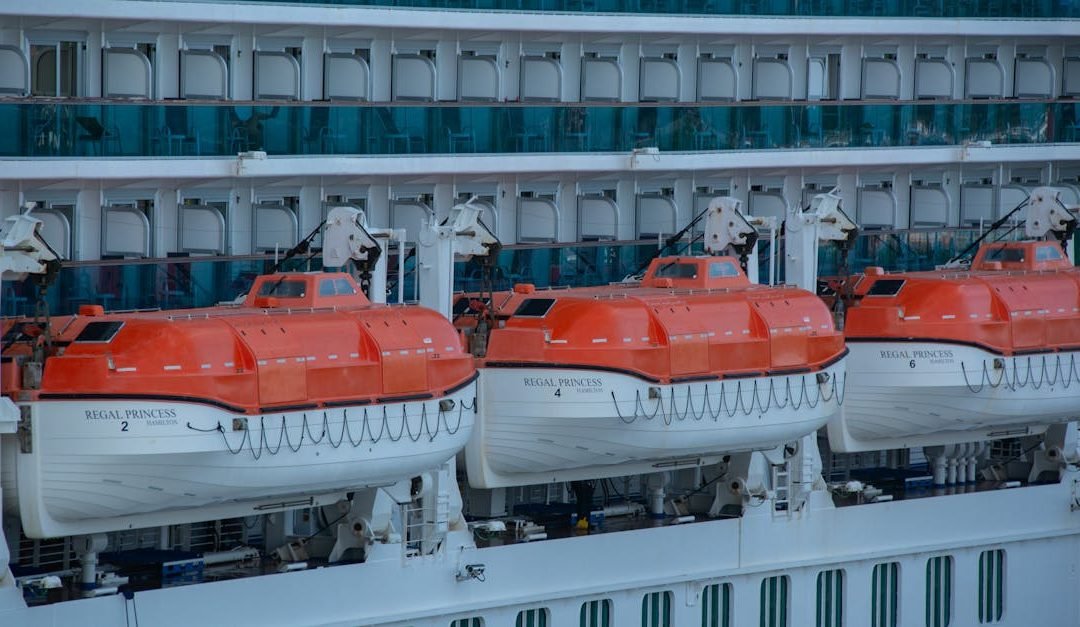
Following the tragedy of the Titanic in 1912, the international maritime community established comprehensive safety regulations known as Safety of Life at Sea (SOLAS). These regulations have been continuously updated and refined over more than a century to ensure modern passenger vessels meet the highest safety standards. One critical requirement is that all cruise ships must carry lifeboat and raft capacity for more than 125% of all people onboard—far exceeding the number of passengers and crew.
This means every single person onboard a cruise ship has a designated lifeboat or life raft seat, plus an additional 25% capacity for emergencies. Life jackets are provided for every passenger, including specially designed models for children and pets. Modern lifeboat systems are highly sophisticated, featuring advanced communication equipment, emergency supplies, and safety features that previous generations of vessels couldn’t imagine. Ships are regularly inspected and certified by international maritime authorities to ensure all emergency equipment functions properly.
The mandatory muster drill that every passenger participates in before departure ensures that everyone knows emergency procedures and where to proceed in case of an evacuation. Crew members undergo rigorous, ongoing training to handle emergency situations effectively. Modern cruise ships also feature advanced navigation technology, weather monitoring systems, and multiple backup systems for propulsion and communication. The combination of superior engineering, comprehensive regulations, continuous training, and reliable equipment makes modern cruise ships exceptionally safe vessels.
Myth #6: Cruise Ship Medical Facilities Are Insufficient for Serious Health Issues
While cruise ships do maintain onboard medical facilities, there’s a misconception that these are merely first-aid stations staffed by unqualified personnel. In reality, most cruise ships employ doctors and nurses who handle medical emergencies effectively. However, it’s important to have realistic expectations about what onboard medical facilities can provide compared to full-service hospitals.
Cruise ship medical centers handle over 30,000 medical cases annually, ranging from minor cuts and digestive issues to more serious conditions. Medical staff aboard cruise ships typically include physicians and nurses with emergency medicine experience. The CDC maintains standards for cruise ship medical facilities, and ships are regularly inspected to ensure compliance. For routine medical issues—minor injuries, seasickness, indigestion, or minor infections—onboard medical facilities provide excellent care. However, for serious conditions requiring advanced surgical interventions, specialized diagnostics, or intensive care, evacuation to a shore-based hospital may be necessary.
This is where modern maritime technology and coordination prove invaluable. When serious medical situations arise, cruise ships maintain constant communication with coast guards and can be diverted to the nearest port or coordinate helicopter evacuation if needed. Ship captains take medical emergencies very seriously, and modern vessels have the equipment and communication systems to facilitate rapid emergency response. Passengers should carry adequate travel insurance that covers medical evacuation, a prudent practice for any international travel. For more comprehensive information, check out our guide to cruise medical emergencies. Being aware of these realities helps you prepare appropriately—not by avoiding cruises, but by taking reasonable precautions like having comprehensive travel insurance.
Myth #7: Cruise Lines Are Always Responsible for Every Accident
Another common misconception is that cruise lines are automatically liable for any injury or illness that occurs aboard. In reality, maritime law is complex, and liability depends on specific circumstances surrounding each incident. Cruise lines do have a legal duty to maintain safe conditions onboard and to train crew members properly, but they’re not automatically responsible for every accident.
Liability in cruise ship accidents typically depends on whether the cruise line failed in its duty of care. For example, if a passenger slips on a clearly marked and properly maintained wet deck, despite visible warning signs, the cruise line might successfully argue that the passenger’s own negligence contributed to the injury. Conversely, if a cruise line failed to maintain an area despite being aware of a hazard, they could be held liable. Each case is evaluated individually, considering factors like maintenance records, witness statements, the passenger’s actions, and whether safety warnings were properly posted and visible.
This is why it’s important to understand that cruise lines take accident prevention seriously and maintain extensive documentation of maintenance, cleaning, and safety procedures. If you experience an injury onboard, report it immediately to the cruise staff and request a formal incident report. Take photographs, collect witness contact information, and gather medical documentation. If you believe the cruise line was negligent, consult with a maritime attorney who specializes in cruise ship accidents. Understanding your rights and the legal framework helps you approach cruise travel with informed caution rather than unfounded fear.
Myth #8: Cruises Are Only for Elderly Travelers
Many younger people assume cruises are designed for retirees, filled with early bird dinners and bingo games. This outdated perception couldn’t be further from the truth in today’s cruise industry. Modern cruise ships cater to diverse age groups and offer something for virtually every demographic imaginable.
Contemporary cruise lines offer vibrant nightlife with bars, clubs, and live entertainment. Adventure-focused activities range from rock climbing walls and zip lines to water sports and fitness programs. Families with children enjoy kids’ clubs, teen programs, and family-friendly entertainment venues. Young professionals appreciate sophisticated dining venues, casino experiences, and shore excursions featuring adventure activities. Some cruise lines offer themed sailings targeting specific interests like music, food, comedy, or fitness. The cruise industry has evolved dramatically, and ships are now designed to appeal to millennials, Gen Z travelers, families, couples, and retirees—all on the same vessel.
Statistical data confirms this diversification. In 2025, the cruise industry is forecast to welcome 37.7 million ocean-going passengers, with approximately 310 ocean-going vessels in operation. This massive diversity of passengers across countless cruise lines means the industry has responded to demand by offering varied experiences. Whether you’re 25 or 75, solo or traveling with family, there’s a cruise experience tailored to your preferences.
Myth #9: Cruising Is Extremely Expensive
Many potential cruisers assume that taking a cruise is a luxury expense beyond their budget. However, cruises are actually one of the most cost-effective vacation options available when you compare them to alternative travel formats. A seven-night cruise typically costs approximately 35% less than seven nights at a comparable resort when you factor in accommodation, meals, entertainment, and activities.
Unlike resort vacations where you pay separately for lodging, meals, drinks, entertainment, and activities, cruise packages bundle most expenses into one upfront price. Your cruise fare includes your cabin, unlimited meals at multiple venues, most entertainment, onboard activities, and access to facilities like pools and fitness centers. Many cruise lines offer flexible pricing with early-bird discounts, last-minute deals, promotions for specific dates, and packages that fit various budgets. During wave season (January through March), cruise lines offer significant discounts to encourage early bookings. Solo travelers, families, groups, and luxury seekers can all find cruise options matching their financial parameters.
When comparing cruise vacations to traditional resort stays or land-based tours, cruises consistently offer superior value. You’re paying for all-inclusive experiences with transportation between destinations included. The competitive cruise industry continuously innovates to offer better value to passengers. Learn about the real costs involved by exploring our guide to hidden cruise costs.
Myth #10: Cruise Ships Lack Proper Safety Regulations and Inspections
Some people believe that cruise ships operate in a regulatory gray area with minimal oversight. This misconception couldn’t be more inaccurate. Modern cruise ships are subject to extensive international and national regulations, regular inspections, and rigorous safety standards that exceed requirements for many land-based facilities.
The International Maritime Organization (IMO) establishes global maritime safety standards. Individual countries’ coast guards, including the U.S. Coast Guard, conduct regular inspections of cruise ships operating from their ports. These inspections examine everything from structural integrity to fire suppression systems, lifeboats, medical facilities, sanitation, navigation equipment, crew training, and emergency procedures. Any deficiencies identified during inspections must be corrected before the ship can operate.
The CDC maintains the Cruise Ship Inspection Program, which conducts unannounced sanitation inspections aboard cruise ships calling at U.S. ports. Ships receive scores based on sanitation practices, and these scores are publicly available. Additionally, the CVSSA requires cruise lines to report serious crimes and accidents to the FBI, creating a public record of incident data. This transparency and multi-layered regulatory oversight actually make cruise ships more heavily inspected and regulated than many shore-based businesses. Modern vessel design incorporates redundant systems—two engine rooms, multiple emergency generators, backup navigation systems—ensuring that single failures don’t compromise ship safety.
Myth #11: Overbooked Cruises Mean You’ll Feel Claustrophobic and Crowded
Another myth suggests that cruise ships are overcrowded floating cities where you’ll feel packed in with thousands of people with nowhere to escape. While cruise ships do carry thousands of passengers, modern ship design actually distributes people across vast spaces in ways that minimize crowding sensations. Contemporary mega-ships aren’t simply “bigger versions” of older ships—they’re engineered differently with multiple zones, venues, and spaces designed to accommodate passenger volume effectively.
Modern cruise ships feature numerous restaurants, cafes, bars, lounges, theaters, pools, fitness centers, spa facilities, and outdoor decks spread across multiple levels. Rather than everyone congregating in one or two spaces, the ship’s design encourages natural distribution of passengers throughout the vessel. Peak crowding times are predictable—embarkation day, dining times, and evening entertainment—but outside these periods, you can find quiet spaces for relaxation. Many passengers comment that despite carrying 4,000-6,000+ passengers, they rarely feel crowded because of the ship’s design and the various spaces available.
Additionally, modern cabin designs maximize space efficiency, with most cabins ranging from compact but well-organized staterooms to spacious suites. Balcony cabins provide personal outdoor space, and plenty of public deck space ensures you’re never truly confined. If you’re concerned about crowds, booking during shoulder seasons or selecting less popular sailing dates can further enhance your experience. Explore our guide to choosing the best cruise cabin to find options that suit your preferences.
Myth #12: Cruise Staff Are Underpaid and Untrained
Some people worry that crew members aboard cruise ships lack proper training for their safety and service responsibilities. This misconception underestimates the professionalism and training standards required across the cruise industry. Crew members undergo rigorous, ongoing training programs that meet international maritime standards.
Safety training is mandatory for all crew members and includes fire suppression, emergency evacuation procedures, medical response, rescue operations, and security protocols. Crew members participate in regular drills and refresher training to maintain competency. Customer service staff receives extensive training in hospitality standards, problem resolution, and passenger safety. While cruise staff may earn lower base salaries than their land-based counterparts, most positions offer housing, meals, and benefits, making compensation more competitive than it appears on paper. More importantly, crew members take pride in their work and understand that passenger safety and satisfaction directly impact their employment and the industry’s reputation.
The international maritime industry maintains strict standards for crew certification, navigation, engineering, and safety. Ships operating from U.S. ports must comply with Coast Guard regulations regarding crew qualifications and training documentation. Regulatory inspections specifically examine crew training records and safety knowledge. When you cruise, you’re in the care of professionals who have invested in certifications and ongoing education. For more insights, explore our article on life on a cruise ship for crew members.
What the Data Actually Shows About Cruise Safety
Beyond individual myths, examining aggregate cruise safety data provides comprehensive perspective. Statistical analysis consistently demonstrates that cruising ranks among the safest vacation options available. The U.S. Coast Guard reported over 100 cruise ship accidents in 2023, a number that sounds concerning until contextualized. Over 10 million Americans took cruises in that year, meaning the accident rate works out to approximately 1 per 100,000 passengers.
Compare this to automobile travel: the CDC reports thousands of traffic fatalities annually in the United States. You’re statistically far safer on a cruise ship than driving to your local grocery store. Between 2009 and 2019, man-overboard incidents declined by approximately 64% despite the cruise industry growing substantially. This trend demonstrates that improved safety measures, technology, and regulation are working effectively. In 2019 specifically, there were only 13 significant incidents reported across the entire cruise industry with no passenger or crew fatalities. The industry continues this positive trajectory.
No reported suspicious deaths, homicides, or kidnappings have occurred on cruises in 2025 to date. Sexual assaults and thefts do occasionally occur, with 33 sexual assaults and seven thefts over $10,000 reported in Q1 2025 across the entire global cruise industry. While any crime is troubling, these numbers across 37.7 million passengers annually represent a rate lower than comparable land-based venues. The aviation industry, which most people trust without hesitation, has comparable or higher incident rates when examined per capita.
How to Maximize Your Safety While Cruising
Understanding cruise safety statistics helps contextualize risk, but practical steps further enhance your security and peace of mind while traveling. First, attend the mandatory muster drill seriously. This isn’t mere formality—it familiarizes you with emergency procedures and exit routes should evacuation become necessary. Pay attention to crew instructions and learn where your designated muster station is located.
Second, maintain situational awareness just as you would on land. Stay aware of your surroundings, watch your belongings, and avoid excessive alcohol consumption. Most safety incidents involve passengers who were intoxicated or in unfamiliar areas late at night. Don’t prop open cabin doors, don’t leave valuables unattended, and use cabin safes for important documents and valuables. Cruise ships are generally very safe, but basic common sense applies as it does everywhere.
Third, purchase comprehensive travel insurance that includes medical evacuation coverage. While serious medical situations are rare, evacuation from a ship at sea involves significant costs that insurance should cover. Get details on our comprehensive cruise travel insurance guide. Fourth, inform crew members of any medical conditions, medications, or special needs upon boarding. Ship medical staff can better assist you if they understand your health situation. Finally, respect safety warnings and restricted areas. Railings exist for your protection, warning signs are posted for legitimate reasons, and crew-restricted areas are off-limits for safety purposes.
Key Takeaways: Cruise Safety in Perspective
Cruise travel is statistically one of the safest vacation options available. Crime rates on cruise ships are significantly lower than comparable land-based destinations. Serious crimes like homicide, kidnapping, and mysterious deaths don’t occur on cruises. Modern ships feature advanced safety systems, trained professional crews, and rigorous international regulations. The data consistently shows that improvements in ship design, safety technology, and regulatory oversight have made cruising increasingly safe over the past two decades.
Common myths about cruise safety are rooted in isolated incidents and media sensationalism. While accidents and crimes occasionally occur—as they do everywhere—they’re far rarer on cruise ships than people generally believe. Falling overboard requires intentional or reckless actions, not accident. Getting seasick is unlikely given modern stabilizer technology. Illness outbreaks are infrequent and handled with strict protocols. Your actual risk of experiencing problems on a cruise is exceptionally low.
Modern cruise ships are engineering marvels designed with passenger safety as a priority. Multiple backup systems ensure that single failures don’t compromise operations. Redundant propulsion, communication, and emergency systems mean that ships can function even if primary systems fail. Lifeboats, life jackets, emergency equipment, fire suppression, and modern navigation technology protect passengers and crew. Ships must comply with extensive international maritime regulations and regular inspections by coast guards and health authorities.
Practical precautions enhance your cruise experience and security. Attend the muster drill, maintain situational awareness, use cabin safes for valuables, purchase travel insurance, and follow crew member instructions. These simple steps, combined with understanding the actual statistical risks, allow you to cruise with confidence rather than unfounded fear.
The cruise industry continues evolving to meet higher safety standards. Technological improvements, regulatory updates, crew training programs, and ship design innovations consistently enhance passenger safety. The industry’s reputation depends on passenger safety, and cruise lines invest heavily in maintaining and improving safety systems. Millions of passengers cruise safely annually, and your cruise experience can be one of them.
Final Thoughts: Embrace Your Cruise Adventure
Fear based on myths shouldn’t prevent you from experiencing the unique joy of cruise travel. Cruises offer exceptional value, unique vacation experiences, cultural exploration, adventure activities, and relaxation all combined into one package. The facts demonstrate that cruise ships are safe, modern vessels operated by trained professionals and regulated by international authorities.
Whether this is your first cruise or your fiftieth, you’re boarding a vessel that has been engineered, maintained, inspected, and crewed with your safety in mind. Statistical analysis shows you’re safer on that ship than you are driving to work or staying in a land-based hotel. So pack your bags, attend the muster drill, and prepare for an incredible vacation. The myths you’ve heard need not dim your enthusiasm. The data—and millions of satisfied cruise passengers annually—confirms that cruise travel is a wonderful, safe way to explore the world.
“`


by Arman Mansuri | Nov 27, 2025 | Cruise Accommodation Guide, Cruise Booking Tips, Cruise Budget Guide, Cruise Comparison Guide, Cruise Deals, Cruise Departure Guide, guide
Top Themed Cruises of 2025: Your Ultimate Guide to Themed Cruises 2025
Are you dreaming of a vacation that’s more than just sun, sea, and sand? If you’re looking for something truly special in 2025, themed cruises are the answer. Whether you’re a music lover, a pop culture fan, or someone who enjoys niche hobbies, there’s a themed cruise out there just for you. From Broadway shows at sea to wine-tasting adventures, these unique voyages promise unforgettable experiences tailored to your interests. In this guide, we’ll explore the most exciting themed cruises 2025 has to offer, helping you find the perfect match for your next getaway.
What Are Themed Cruises?
Themed cruises are special voyages designed around a particular interest, hobby, or event. Unlike regular cruises, these trips offer a curated experience that goes beyond typical onboard activities. Imagine sailing the Caribbean with your favorite comic book artists, enjoying live performances by Broadway stars, or exploring the world’s best wine regions with expert sommeliers. Themed cruises 2025 are all about creating immersive, memorable experiences for travelers with specific passions.
These cruises are organized by major cruise lines and independent organizers, catering to a wide range of interests. From music festivals and pop culture celebrations to wellness retreats and culinary adventures, there’s something for everyone. Whether you’re traveling solo, with friends, or as a family, themed cruises offer a chance to connect with like-minded people and enjoy activities that align with your hobbies. The best part? You get to explore stunning destinations while indulging in your favorite pastimes.
Music-Themed Cruises 2025
Live Performances and Festivals at Sea
Music lovers are in for a treat with the themed cruises 2025 lineup. These voyages feature live performances by renowned artists, interactive workshops, and themed parties that turn the ship into a floating music festival. Whether you’re into blues, pop-punk, or classic soul, there’s a cruise that will make your heart sing.
One of the highlights is the Broadway Cruise 3 with Norwegian Cruise Line. This sailing brings together top Broadway performers like Roger Bart, Shoshana Bean, and Wayne Brady for an unforgettable musical experience. Guests can enjoy intimate shows, workshops, and meet-and-greets with their favorite stars. The cruise also features karaoke sessions and themed dinners, making it a dream come true for theater enthusiasts. For more details, check out our cruise entertainment guide.
Genre-Specific Music Cruises
If you’re a fan of specific music genres, themed cruises 2025 have you covered. The Keeping the Blues Alive at Sea cruise is a must for blues rock fans. This event features performances by Joe Bonamassa and Big Head Todd and the Monsters, along with jam sessions and artist meet-ups. The cruise sails from Miami and offers a week of non-stop music and fun.
Pop-punk and emo fans can look forward to exciting sailings this year. Music enthusiasts often combine their cruise vacations with other adventure activities to maximize their time at sea. These cruises also feature a stop in Costa Maya, Mexico, giving guests a chance to explore the local culture. For travelers planning multiple destinations, planning a multi-destination cruise can enhance the overall experience even further.
Pop Culture and Fandom Cruises 2025
Comic-Con: The Cruise
For fans of comics, movies, and TV shows, Comic-Con: The Cruise is a dream come true. This themed cruise offers exclusive panels, workshops, and meet-and-greets with comic book artists, actors, and voice talents. Guests can participate in cosplay nights, Artists’ Alley showcases, and themed parties, all while enjoying the Caribbean’s stunning scenery. The cruise also features exhibitor showcases, autograph sessions, and exclusive merchandise.
Star Trek and Other Sci-Fi Celebrations
Sci-fi fans can set a course for adventure with the Star Trek – The Cruise VIII. This sailing celebrates the iconic series with themed activities, character encounters, and special guests from the Star Trek universe. The cruise also features trivia contests, costume parties, and screenings of classic episodes.
Other Pop Culture Cruises
Themed cruises 2025 also include events for fans of other pop culture phenomena. The Love Boat Celebration At Sea by Princess Cruises brings together cast members from the beloved TV show for meet-and-greets, themed activities, and special performances. The cruise also features exclusive tributes to the series and a chance to relive classic moments. If you’re planning a romantic getaway, these pop culture cruises offer unique experiences for couples who share similar interests.
Wellness and Culinary Cruises 2025
Wellness Retreats at Sea
For those seeking relaxation and rejuvenation, themed cruises 2025 offer wellness retreats that combine scenic destinations with health-focused activities. The Celebration of Wellness series by AmaWaterways features daily yoga, core stretching, and dance classes, as well as guided hikes and bike tours at each port. The cruise also includes wellness workshops and healthy dining options, making it a perfect choice for travelers looking to prioritize their well-being.
Culinary Adventures
Foodies can indulge in culinary-themed cruises that showcase the best of global cuisine. The Voyage du Vin cruise partners with UK wine merchant Corney & Barrow to offer wine tastings, vineyard visits, and gourmet dining experiences. The itinerary includes stops in Barcelona, Palma de Mallorca, and other wine regions, giving guests a chance to explore local flavors and traditions. For those interested in unique dining experiences, learning about cruise dining options can help you select the right culinary cruise for your preferences.
Special Interest and Hobby Cruises 2025
Knitting and Crafting Cruises
For craft enthusiasts, themed cruises 2025 offer unique opportunities to connect with fellow hobbyists. The Argyle Ahoy! Knitting Cruise sails through the British Isles and features knitting workshops, craft fairs, and themed parties. Guests can learn new techniques, share their creations, and enjoy the camaraderie of like-minded travelers.
Sports and Outdoor Adventures
Sports fans can look forward to themed cruises that combine adventure with their favorite activities. The Golf & British Isles cruise by Azamara includes attendance at the 153rd Open at Royal Portrush Golf Club, as well as golf clinics and themed parties. The cruise also features stops in scenic destinations, giving guests a chance to explore the local culture. Whether you’re interested in adventure activities on cruise ships or understanding different cruise types, there are options suited to every interest.
Key Takeaways
Themed cruises 2025 offer a unique way to combine travel with your favorite hobbies and interests. Whether you’re a music lover, a pop culture fan, or someone who enjoys niche activities, there’s a cruise that will make your vacation unforgettable. These voyages provide immersive experiences, opportunities to connect with like-minded travelers, and the chance to explore stunning destinations. With so many options available, you’re sure to find a themed cruise that matches your passions. Start planning your next adventure today and make the most of themed cruises 2025!
“`
by Arman Mansuri | Nov 27, 2025 | Cruise Accommodation Guide, Cruise Booking Tips, Cruise Budget Guide, Cruise Comparison Guide, Cruise Deals, Cruise Departure Guide, guide
“`html
Most Instagrammable Spots on Cruise Ships: Capture the Magic at Sea
Are you planning your next cruise and dreaming of those picture-perfect moments that will light up your Instagram feed? Cruising is more than just a vacation—it’s a chance to create unforgettable memories, and with the right spots, your photos can go viral. From stunning ship features to breathtaking port views, every cruise offers a treasure trove of instagrammable cruise moments. Whether you’re a seasoned traveler or a first-time cruiser, this guide will help you discover the most photogenic locations onboard and in port, so you can snap, share, and inspire your followers.
Why Instagrammable Cruise Spots Matter
Today, travel is as much about sharing experiences as it is about enjoying them. Instagram has become a go-to platform for cruise lovers to showcase their adventures. The right photo can capture the essence of a journey, turning a simple vacation into a visual story. Instagrammable cruise spots are not just about aesthetics—they’re about creating moments that resonate with your audience and inspire others to explore the world.
Modern cruise ships are designed with social media in mind. From panoramic decks to unique onboard attractions, every detail is crafted to provide the perfect backdrop for your next post. Whether you’re lounging by the pool, exploring a new port, or enjoying a sunset from your balcony, there’s always a chance to capture something special. These spots not only make your feed look amazing but also help you relive your cruise memories for years to come.
Top Instagrammable Spots Onboard Cruise Ships
1. Panoramic Decks and Rooftop Terraces
One of the most iconic instagrammable cruise spots is the panoramic deck or rooftop terrace. These areas offer unobstructed views of the ocean, making them perfect for sunrise and sunset photos. The golden hour light casts a magical glow over the water, creating a dreamy atmosphere that’s hard to resist. Whether you’re posing for a selfie or capturing a group shot, the panoramic deck is a must-visit location.
Many cruise ships feature rooftop terraces with stylish loungers, infinity pools, and even outdoor bars. These spaces are designed for relaxation and socializing, but they also make for stunning photo opportunities. For the best results, head up early in the morning or just before sunset to avoid crowds and catch the most beautiful light. Don’t forget to include the ship’s architecture in your shots—modern vessels often have sleek, futuristic designs that add an extra wow factor to your photos.
2. Unique Ship Features and Attractions
Cruise ships are packed with unique features that are tailor-made for Instagram. One of the most famous is the “Angel Wings” sculpture on Celebrity Edge. This massive, wing-shaped structure is located at the end of the resort deck and is surrounded by a pool and hot tubs. It’s impossible to walk past without stopping for a photo, and the ever-changing LED light art installation adds an extra layer of visual interest.
Other standout features include the “Bridge of Sighs” on MSC Seaview, a romantic glass walkway that offers panoramic views of the sea, and the “Captain’s Champagne Waterfall” on Princess Cruises. This dazzling display involves pouring champagne over a pyramid of glasses in the ship’s central atrium, creating a festive and photogenic moment. These attractions are not just fun to experience—they’re also guaranteed to get likes and comments on your Instagram feed.
3. Pool Decks and Outdoor Spaces
The pool deck is another hotspot for instagrammable cruise photos. Whether you’re lounging by the pool, sipping a tropical drink, or enjoying a game of volleyball, the vibrant atmosphere is perfect for capturing the essence of cruise life. Bright pool floats, colorful umbrellas, and stylish swimwear add a playful pop of color to your shots.
For the best results, try shooting from a higher angle to showcase the pool, the ocean, and the sunny sky. This perspective highlights the scale of the ship and creates a sense of depth in your photos. Don’t forget to include some candid moments—laughter, splashing, and relaxed poses can make your feed feel more authentic and engaging.
4. Staterooms and Suites with a View
Your stateroom or suite can also be a great spot for Instagram-worthy photos. Many modern cruise ships offer rooms with private balconies or floor-to-ceiling windows, providing stunning views of the sea. Whether you’re enjoying a quiet moment with a book or sharing a romantic toast with your significant other, these spaces offer a sense of intimacy and luxury.
For a truly memorable shot, try capturing the sunrise or sunset from your balcony. The soft light and endless horizon create a magical backdrop that’s perfect for selfies or couple’s photos. If you’re staying in a suite, take advantage of the extra space and amenities—some suites even have private terraces or outdoor dining areas that are perfect for capturing the perfect moment.
Instagrammable Cruise Destinations
1. Juneau, Alaska
No list of instagrammable cruise destinations would be complete without mentioning Juneau, Alaska. This roadless capital is only accessible by air or sea, which has allowed its untouched wilderness to thrive. The natural beauty of Juneau is breathtaking, with glaciers, mountains, and forests providing a stunning backdrop for your photos.
One of the most popular photo spots is the Mendenhall Glacier, where you can capture the raw power of nature. The glacier’s icy blue hues and dramatic landscape make for unforgettable images. Another must-visit location is Glacier Bay, where you can snap photos of towering icebergs and crystal-clear waters. These natural wonders are effortless to photograph and will make your Instagram feed stand out.
2. Saint Lucia, the Caribbean
Saint Lucia is another top destination for instagrammable cruise photos. This sun-soaked island is known for its crystal blue waters, white sand beaches, and lush rainforests. Whether you’re lounging on the beach, exploring the rainforest, or enjoying a sunset cruise, Saint Lucia offers endless opportunities for stunning shots.
One of the most iconic photo spots is the Pitons, two volcanic peaks that rise dramatically from the sea. The contrast between the green mountains and the blue ocean creates a striking image that’s perfect for Instagram. Another popular location is Marigot Bay, where you can capture the colorful boats and vibrant atmosphere of the harbor.
3. Paris, France
Paris is a dream destination for any traveler, and it’s also one of the most instagrammable cruise cities in the world. The city’s iconic landmarks, charming streets, and romantic atmosphere make it a perfect backdrop for your photos. Whether you’re visiting the Eiffel Tower, strolling along the Seine, or enjoying a café au lait in a Parisian bistro, there’s always something beautiful to capture.
For a unique perspective, head to the Montparnasse Tower and ride the elevator to the top. From here, you can enjoy breathtaking panoramic views of the city, including the Eiffel Tower. The best time to visit is after 7 pm, when the Eiffel Tower lights up and sparkles on the hour, creating the perfect sparkly selfie.
4. Santorini, Greece
Santorini is another top destination for instagrammable cruise photos. The island’s whitewashed buildings, blue domes, and stunning sunsets make it a favorite among photographers. Whether you’re exploring the narrow streets of Oia, enjoying a meal at a cliffside restaurant, or watching the sunset from the caldera, Santorini offers endless opportunities for beautiful shots.
One of the most iconic photo spots is the Oia Castle, where you can capture the famous sunset over the caldera. The combination of the golden light, the white buildings, and the blue sea creates a magical image that’s perfect for Instagram. Another popular location is the Amoudi Bay, where you can snap photos of the colorful fishing boats and the dramatic cliffs.
Photography Tips for Instagrammable Cruise Photos
1. Use Natural Light
Natural light is one of the most important elements in capturing great instagrammable cruise photos. The best light occurs during the golden hour, which is the hour just after sunrise and the hour just before sunset. During this time, the light is soft and warm, creating a magical atmosphere that’s perfect for photos.
When shooting on deck, try to position yourself so that the light is coming from the side or behind you. This will create interesting shadows and highlights, adding depth and dimension to your photos. If you’re shooting indoors, try to use natural light from windows or balconies to create a bright and airy feel.
2. Experiment with Angles and Perspectives
Don’t be afraid to experiment with different angles and perspectives when taking instagrammable cruise photos. Shooting from a higher angle can create a sense of scale and depth, while shooting from a lower angle can make your subject look more dramatic and powerful.
Try to include something in the foreground to create three dimensions in your photos. This could be a pool float, a cocktail, or even a piece of ship architecture. Playing with the horizon line can also add interest to your shots—try placing the horizon in the top or bottom third of the frame to create a more dynamic composition.
3. Capture Candid Moments
While posed photos are great, candid moments can make your Instagram feed feel more authentic and engaging. Try to capture laughter, splashing, and relaxed poses to add a sense of spontaneity to your photos. These moments are often the most memorable and can help you relive your cruise memories for years to come.
Don’t be afraid to ask your travel companions to take photos of you enjoying the moment. Candid shots of you laughing, dancing, or exploring a new port can make your feed feel more personal and relatable. For additional guidance on capturing your journey, explore more photography tips for cruise travel to elevate your skills.
4. Use Editing Apps and Filters
Editing apps and filters can help you enhance your instagrammable cruise photos and make them stand out on Instagram. Apps like VSCO, Snapseed, and Lightroom offer a range of tools and filters that can help you adjust the brightness, contrast, and color of your photos.
When editing your photos, try to keep the colors natural and avoid overusing filters. The goal is to enhance the beauty of your photos, not to make them look artificial. Experiment with different settings and filters to find the look that best suits your style.
Key Takeaways
Cruising offers endless opportunities for instagrammable cruise photos, from stunning ship features to breathtaking port views. By exploring the most photogenic spots onboard and in port, you can create a visual story that captures the essence of your journey. Remember to use natural light, experiment with angles and perspectives, and capture candid moments to make your feed feel authentic and engaging.
Whether you’re lounging by the pool, exploring a new destination, or enjoying a sunset from your balcony, there’s always a chance to capture something special. With these tips and ideas, you’ll be ready to wow your followers and inspire others to explore the world. Be sure to check out cruise etiquette guidelines to ensure respectful photography in public spaces, and consider learning about what to expect on your first cruise to make the most of your adventure.
“`


by Arman Mansuri | Nov 27, 2025 | Cruise Accommodation Guide, Cruise Booking Tips, Cruise Budget Guide, Cruise Comparison Guide, Cruise Deals, Cruise Departure Guide, guide
Cruise Travel Insurance Explained: What Every Indian Cruiser Needs to Know
Planning a cruise vacation is exciting—whether it’s your first time or you’re a seasoned sailor. But before you set sail, there’s one crucial step that can make or break your experience: cruise insurance. With so much at stake—your money, your time, and your peace of mind—it’s smart to understand exactly what cruise insurance covers, why it matters, and how to choose the right policy for your journey. In this guide, we’ll break down everything you need to know about cruise insurance, so you can travel with confidence and enjoy every moment of your adventure at sea.
What Is Cruise Insurance and Why Do You Need It?
Cruise insurance is a type of travel insurance specifically designed to protect you from unexpected events that could disrupt your cruise vacation. Unlike regular travel insurance, cruise insurance often includes coverage tailored to the unique risks of traveling by sea. These risks include medical emergencies far from home, missed ports, itinerary changes, and even the possibility of being stranded at sea if something goes wrong with the ship.
Imagine you’ve booked a dream cruise to the Mediterranean, only to fall ill just before departure. Without cruise insurance, you could lose your entire payment if you have to cancel. Or, what if your flight is delayed and you miss your cruise’s embarkation? Cruise insurance can help cover the cost of catching up with your ship at the next port. These scenarios are more common than you might think, and having the right insurance means you won’t be left out of pocket when the unexpected happens.
For Indian travelers, cruise insurance is especially important because international cruises often involve long flights, multiple destinations, and higher costs. If something goes wrong, you could be far from home and facing expensive medical bills or travel changes. Cruise travel from India also demands that you manage these risks carefully, making cruise insurance an essential part of your planning.
What Does Cruise Insurance Cover?
Trip Cancellation and Interruption
One of the most important benefits of cruise insurance is trip cancellation and interruption coverage. If you have to cancel your cruise due to illness, injury, or another covered reason, your insurance can reimburse you for non-refundable expenses like your cruise fare and pre-paid excursions. This is especially valuable if you’ve paid a large deposit or booked well in advance.
Trip interruption coverage works if your cruise is cut short due to an emergency. For example, if a family member falls ill and you need to return home early, your insurance may cover the unused portion of your cruise and any additional travel costs. This protection ensures that you don’t lose your entire investment if your plans change unexpectedly.
Medical Expenses and Emergency Evacuation
Medical emergencies can happen anywhere, but they’re especially risky when you’re at sea. Cruise insurance typically covers medical treatment onboard or at a port, as well as emergency evacuation if you need to be flown to a hospital. This is crucial because medical care in foreign countries can be very expensive, and evacuation from a cruise ship can cost thousands of dollars.
You can find more details on medical care on cruises to understand why this coverage is crucial for your health and safety during the trip.
Some policies also include coverage for pre-existing medical conditions, but you usually need to purchase the insurance within a certain time frame after booking your cruise. Always check the details of your policy to make sure you’re covered for any health issues you may have.
Baggage Loss or Delay
Losing your luggage or having it delayed can be a major hassle, especially when you’re traveling to multiple destinations. Cruise insurance often includes baggage loss or delay protection, which reimburses you for lost, stolen, or delayed luggage. This can help you replace essential items if your bags don’t arrive with you at your destination.
Some policies also cover the cost of buying necessities if your baggage is delayed for a certain period. This is especially useful if you’re traveling to a remote port or if your cruise itinerary includes several stops.
Travel Delay and Missed Connection
Flight delays and missed connections are common travel problems, and they can be especially stressful when you’re trying to catch a cruise. Cruise insurance can help cover the cost of additional expenses if your trip is delayed, such as hotel stays or extra transportation. It may also cover the cost of catching up with your cruise at the next port if you miss your departure due to a covered reason.
This coverage is a lifesaver if your flight is delayed by bad weather or other unforeseen circumstances. It ensures that you won’t lose your entire cruise investment just because of a missed connection.
24/7 Worldwide Assistance
Many cruise insurance policies include 24/7 worldwide assistance, which means you can get help and support anytime, anywhere. This can include help with medical emergencies, travel arrangements, and even legal assistance if you need it. Having access to expert support can make a big difference if you’re far from home and facing a crisis.
Some policies also offer cruise-specific benefits like missed port of call coverage, shipboard service disruption, and confined-to-cabin coverage if you fall ill during your voyage. These extras can provide additional peace of mind and ensure that you’re protected for a wide range of scenarios.
How to Choose the Right Cruise Insurance Policy
Compare Coverage and Exclusions
Not all cruise insurance policies are the same. Some offer basic coverage, while others include a wide range of benefits and extras. When choosing a policy, it’s important to compare the coverage and exclusions of different plans. Look for policies that cover the specific risks you’re most concerned about, such as medical emergencies, trip cancellation, and baggage loss.
Pay close attention to the exclusions, which are the situations that are not covered by the policy. Common exclusions include alcohol or drug-related incidents, risky activities like scuba diving (unless covered under add-ons), and voluntary trip cancellations with no valid reason. Make sure you understand what’s not covered so you can avoid surprises if you need to make a claim.
Check for Pre-Existing Condition Waivers
If you have a pre-existing medical condition, it’s important to look for a policy that offers a pre-existing condition waiver. This means you can be covered for medical issues related to your condition if you purchase the insurance within a certain time frame after booking your cruise. Many policies require you to buy insurance within 14-21 days of your initial deposit to qualify for this waiver.
Always read the fine print and ask questions if you’re unsure about the terms. It’s better to be safe than sorry when it comes to your health and your travel plans.
Consider Adventure Activities Coverage
If you’re planning to participate in adventure activities like snorkeling, scuba diving, or other excursions, make sure your policy covers these activities. Some policies exclude risky activities unless you purchase an add-on or upgrade. This is especially important if you’re traveling to destinations where these activities are popular.
Adventure activities coverage can give you peace of mind and ensure that you’re protected if something goes wrong while you’re exploring the ports or enjoying the onboard activities. For more on activities and excursions, explore our adventure activities on Indian cruises.
Look for Cruise-Specific Benefits
Some cruise insurance policies offer benefits that are specifically designed for cruise travelers. These can include coverage for missed ports, itinerary changes, and shipboard medical care. Look for policies that include these extras, as they can provide additional protection and peace of mind.
For example, if your cruise itinerary changes due to bad weather or other unforeseen circumstances, a cruise-specific policy may cover the cost of alternative arrangements. This can be especially valuable if you’re traveling to destinations that are prone to weather-related disruptions. Our cruise itinerary changes guide covers these situations in detail.
Common Cruise Insurance Claims and How They Work
Flight Delays and Missed Departures
One of the most common claims for cruise insurance is flight delays and missed departures. If your flight is delayed and you miss your cruise’s embarkation, your insurance can help cover the cost of catching up with your ship at the next port. This can include the cost of additional transportation, hotel stays, and other expenses.
Always keep your receipts and documentation for any expenses you incur, as you’ll need to provide these when you make a claim. Most policies require you to report the delay as soon as possible and follow the claims process outlined in your policy.
Medical Emergencies and Evacuations
Medical emergencies are another common reason for cruise insurance claims. If you fall ill or are injured during your cruise, your insurance can cover the cost of medical treatment onboard or at a port. If you need to be evacuated to a hospital, your insurance may also cover the cost of emergency transportation.
Make sure you understand the process for making a medical claim, including any documentation you’ll need to provide. Some policies require you to contact the insurance company as soon as possible and follow their instructions for treatment and evacuation.
Baggage Loss and Delay
Baggage loss and delay claims are also common, especially for travelers who are visiting multiple destinations. If your luggage is lost, stolen, or delayed, your insurance can reimburse you for the cost of replacing essential items. Some policies also cover the cost of buying necessities if your baggage is delayed for a certain period.
Always report baggage loss or delay to the airline or cruise line as soon as possible, and keep your receipts for any expenses you incur. This will help you make a successful claim and get reimbursed for your losses.
Itinerary Changes and Missed Ports
Itinerary changes and missed ports are another common reason for cruise insurance claims. If your cruise itinerary changes due to bad weather or other unforeseen circumstances, your insurance may cover the cost of alternative arrangements. This can include the cost of transportation, hotel stays, and other expenses.
Always keep your receipts and documentation for any expenses you incur, and follow the claims process outlined in your policy. Some policies require you to report the change as soon as possible and provide evidence of the expenses you’ve incurred.
Key Takeaways: Why Cruise Insurance Is Essential
Cruise insurance is a smart investment for any traveler planning a cruise vacation. It protects you from unexpected events that could disrupt your trip and leave you out of pocket. With coverage for trip cancellation, medical emergencies, baggage loss, and more, cruise insurance gives you peace of mind and ensures that you can enjoy your journey without worrying about the risks.
When choosing a cruise insurance policy, make sure to compare coverage and exclusions, check for pre-existing condition waivers, and consider adventure activities coverage if you’re planning to participate in excursions. Look for policies that offer cruise-specific benefits and 24/7 worldwide assistance for added peace of mind.
Remember, cruise insurance is not mandatory, but it is highly recommended. Cruises involve unique risks that aren’t always covered by regular travel insurance, so it’s important to choose a policy that’s tailored to your needs. By taking the time to understand your options and choose the right coverage, you can travel with confidence and enjoy every moment of your cruise adventure.
For more information on cruise insurance and how to choose the right policy, check out these helpful resources:


by Arman Mansuri | Nov 27, 2025 | Cruise Accommodation Guide, Cruise Booking Tips, Cruise Budget Guide, Cruise Comparison Guide, Cruise Deals, Cruise Departure Guide, guide
“`html
Best Cheap Cruises Under $300
Best Cheap Cruises Under $300: Affordable Adventures at Sea
Dreaming of setting sail on a cruise but worried about your budget? You don’t have to wait for big savings or special occasions to enjoy a sea getaway. The market is full of excellent cheap cruises under $300 that offer great value without compromising the experience. Whether you want to explore the Caribbean’s turquoise waters or escape for a quick weekend cruise, numerous options are tailor-made for budget-conscious travelers. Read on to explore the top cruise lines, destinations, and insider tips to get the most for your money on your next voyage.
Why Choose Cheap Cruises Under $300?
Booking a cruise under $300 per person is a smart way to enjoy a vacation that bundles accommodation, meals, and entertainment into one affordable price. This helps bring down costs significantly compared to planning separate hotel stays, dining, and activities on land. Many short cruises, lasting from 3 to 5 nights, fall within this price range and still provide access to onboard amenities like pools, theaters, and kids’ clubs.
For first-time cruisers, families on a budget, or solo travelers seeking a short, refreshing break, these cruises present a fantastic entry point into cruise vacations. They allow you to sample the cruise lifestyle and destinations without a hefty investment. Plus, these deals often come from well-known cruise lines ensuring safety, comfort, and a variety of itinerary choices.
Top Cruise Lines Offering Cheap Cruises Under $300
MSC Cruises: Mediterranean & Caribbean Value
MSC Cruises is globally known for affordable cruises that never feel cheap. Their fleet includes older ships with lower fares and modern vessels in popular regions like the Mediterranean and Caribbean. For trips under $300, MSC typically offers interior cabins on 3-4 night itineraries from ports like Port Canaveral, Florida. For example, a 3-night Bahamas cruise departing Port Canaveral can start as low as $163 per person. Learn more about MSC Cruises to see why these options balance value with quality onboard experiences including European-style dining and entertainment options.
While specialty meals and some extras might add costs, the core cruise package covers most essentials. If you’re flexible about travel dates and cabin location, MSC is an excellent choice for budget-friendly sailing.
Carnival Cruise Line: Classic American Budget Cruises
Carnival is often the first name that comes to mind for affordable American cruises. Renowned for fun and casual cruising, Carnival has short 3-4 night sailings to the Caribbean and Bahamas starting around $264 per person. Ports like Miami, Texas, and Florida regularly host these itineraries on ships like Carnival Radiance, Carnival Sunrise, and Carnival Horizon.
The cruise line’s vast entertainment, family-friendly environments, and on-board activities make it a great pick for budget-conscious travelers seeking lively, engaging vacations. Booking during sales or last-minute deals can further reduce costs below $300, sometimes as low as $269 for 4-night cruises. You can check out the latest last-minute cruise deals to find such offers.
Royal Caribbean: Affordable Options on Older Ships
Though known for mega-ships with extensive amenities, Royal Caribbean also offers budget sailings on older vessels like Vision of the Seas and Liberty of the Seas. These cruises often include shorter 3-4 night itineraries with fares frequently under $300 per person.
Popular routes include the Western Caribbean, Bahamas, and Florida Keys. The cruises combine access to well-maintained ships with solid on-board features such as pools, dining venues, and show lounges. Booking early or taking advantage of promotional offers can help secure these budget-friendly fares. For more insights on choosing your cabin, consider reading our guide on selecting the best cruise cabin.
Other Affordable Cruise Lines to Watch
Besides the three giants, cruise lines like Costa Cruises and Norwegian Cruise Line occasionally provide budget options close to or just above the $300 mark. These lines tend to focus on European and Caribbean itineraries and should be considered for those flexible about destinations and dates.
Best Destinations for Cruises Under $300
The Bahamas and Western Caribbean
The Bahamas is an unbeatable destination for cruise vacations under $300. Cruises departing from Florida ports such as Port Canaveral and Fort Lauderdale sail to Nassau, Bimini, and private islands like MSC’s Ocean Cay or Royal Caribbean’s Perfect Day at Coco Cay. These voyages are short, typically 3-4 nights, making them budget-friendly while offering exciting island adventures, beaches, and cultural experiences. For more detailed destination ideas, our top cruise destinations guide is a useful resource.
Similarly, Western Caribbean cruises visiting Cozumel, Mexico, or Belize are great for budget travelers. These routes provide a blend of beach fun, snorkeling, and cultural tours at affordable rates on multiple cruise lines.
Short Caribbean Getaways
For travelers seeking quick escapes, 3-5 night cruises to the Eastern and Western Caribbean are common deals under $300. Ports of call can include Key West, Grand Cayman, and Jamaica. These itineraries showcase highlights like tropical scenery, onboard entertainment, and shore excursions.
Their compact duration also makes these cruises perfect for family trips, friends’ getaways, or couples wanting a break without long travel commitments.
Tips to Book Cheap Cruises Under $300 Successfully
Book During Sales and Last-Minute Offers
The key to snagging affordable cruises is timing your booking. Black Friday, Cyber Monday, and seasonal sales frequently feature deals for cruises under $300. Last-minute bookings can also save you money, though they require flexibility. Websites like CruiseBooking.com and CheapCruises.com specialize in these promotions. To improve your booking savvy, check our tips on finding the cheapest cruise deals.
Choose Inside or Oceanview Cabins
Cabin type impacts price significantly. For cheapest fares, select interior cabins without windows. Moving to Oceanview or Balcony rooms will usually push fares above $300. However, interior cabins are comfortable and well-equipped, ideal for travelers who plan to spend more time exploring beyond their rooms.
Consider Short Cruises & Older Ships
Short cruises (3-5 nights) provide better affordability than week-long or longer voyages. Older ships in cruise line fleets often have cheaper fares but still maintain safety and decent amenities. Know that older ships may lack some ultra-modern features but can still deliver great vacations for the price.
Be Flexible With Departure Ports and Dates
Departing from major cruise hubs such as Florida, Texas, or California increases chances of finding budget cruises. Also, sailing in shoulder or off-peak seasons lowers costs. Flexibility can save hundreds on cruise fares.
Key Takeaways
- Cheap cruises under $300 are widely available on short itineraries, especially in the Caribbean and Bahamas regions.
- MSC Cruises, Carnival, and Royal Caribbean dominate the affordable cruise market with multiple budget-friendly options.
- Choosing interior cabins, older ships, and flexible sailing dates helps secure the best prices.
- Booking during seasonal sales and last-minute deals maximizes savings.
- Short cruises of 3-5 nights offer excellent value and a wonderful introduction to cruising for beginners and budget travelers.
Setting sail on a cruise doesn’t have to break the bank. With careful planning and a good eye for deals, you can find memorable, fun-filled cruises for under $300—opening up a world of travel possibilities right from your nearest port. For beginners, our first time cruise tips offer helpful guidance to make your trip smooth and enjoyable.
“`