
Common Cruise Myths — Busted!
Common Cruise Myths — Busted!
Cruising has long been surrounded by misconceptions that can keep many travelers from experiencing the adventure, luxury, and relaxation these voyages offer. Whether it’s myths about seasickness, costs, or who cruises are really for, these misunderstandings often paint an inaccurate picture of modern cruise vacations. In this post, we’ll bust some of the most common cruise myths and reveal why cruises are accessible, enjoyable, and safe for travelers of all ages and interests.
Myth 1: Cruises Are All-Inclusive — No Hidden Costs
A popular cruise myth is that when you book a cruise, you’re paying for everything upfront — all your food, drinks, entertainment, excursions, and onboard services. In reality, while a cruise fare does cover many basics such as your cabin, standard meals in main dining rooms and buffets, shipboard entertainment, and port transportation, there are often additional charges to keep in mind.
Specialty dining, alcoholic and some non-alcoholic beverages, Wi-Fi connectivity, gratuities, spa treatments, and shore excursions typically require extra payment. Most mainstream cruise lines follow this model of partial inclusivity, giving passengers basic essentials but making extras optional and payable. However, some luxury cruise lines and newer brands like Virgin Voyages offer more all-inclusive packages that also cover basic drinks, tips, and some excursions, providing an easier budgeting experience for travelers who prefer that style.
For budget-savvy cruisers, the key is to research what your fare covers and pre-book extras where possible to avoid surprises. Many cruise lines also offer package deals and discounts that bundle amenities, making it easier to manage your expenses during the trip.
Myth 2: Cruises Are Only for Retirees
The stereotype that cruises cater exclusively to older adults or retirees is outdated. While retirees do represent a significant portion of cruise passengers—mainly because of their flexible schedules and disposable income—the cruising industry has evolved to attract a diverse range of travelers.
Today’s cruise ships and itineraries cater to families, young couples, solo travelers, and adventure seekers alike. Some cruise lines specifically design ships with multi-generational activities, trendy bars, nightclubs, and kid-friendly programs. Younger adults, including millennials and Gen Z travelers, are increasingly cruising, especially on lines like Royal Caribbean, Norwegian Cruise Line, and Virgin Voyages, which emphasize vibrant nightlife, wellness, and active excursions.
Timing also matters: during school holidays and peak seasons, cruise ships bustle with families and younger crowds, whereas off-peak months may see a higher concentration of older passengers. The average age of cruise passengers in 2024 was around 46.5 years, with over one-third under 40, underscoring the broad appeal of cruising across age groups.
Myth 3: You Will Definitely Get Seasick on a Cruise
Seasickness is one of the most persistent fears about cruising, but for many, it’s a myth that rarely manifests. Modern cruise ships are equipped with advanced stabilizers that significantly reduce the vessel’s rolling movement, often making passengers unaware they’re even moving on the open ocean.
Of course, those who are highly prone to motion sickness may still experience mild symptoms, but cruise ships have onboard medical facilities staffed with professionals trained to help. Additionally, there are preventive measures like choosing cabins midship and on lower decks, using motion sickness medication, and trying natural remedies.
Many first-time cruisers report surprise at how smooth their journey feels, with little or no motion sickness. Plus, ships offer a variety of entertainment and relaxation options that keep guests engaged and comfortable throughout the voyage.
Myth 4: Cruise Ships Are Crowded and Claustrophobic
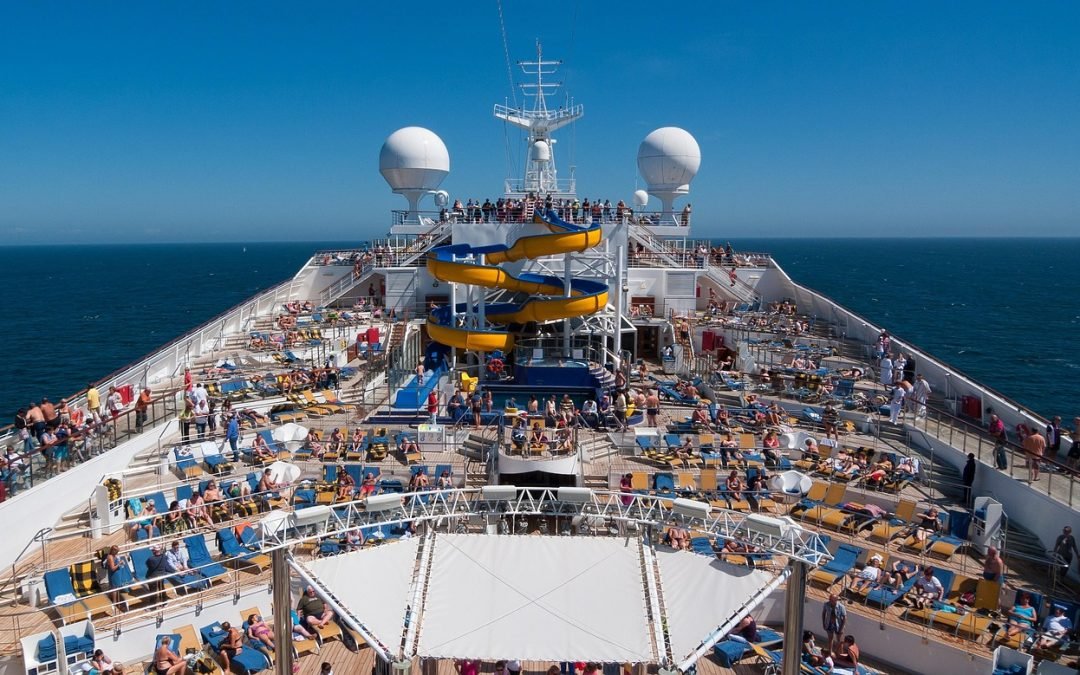
The image of cruise ships as overcrowded floating cities where personal space is scarce is far from the truth. While large cruise ships can carry thousands of passengers, they are vast floating resorts with abundant public spaces, multiple dining venues, lounges, pools, theaters, and outdoor decks designed to avoid crowding.
Cruise lines plan ship layouts to allow guests to spread out and find quiet corners or lively social hubs depending on their mood. Many modern ships feature varied cabin categories, from inside rooms to spacious suites with balconies—and even special accommodations like “virtual balconies” for inside cabins providing real-time ocean views on LED screens.
Whether you prefer bustling venues or tranquil spots, the scale and design of ships provide room for all. Moreover, many cruise lines manage guest flow through staggered dining times and multiple activity options to prevent overcrowding and maintain a relaxed atmosphere.
Key Takeaways
- Not all cruises are fully all-inclusive: Basic fares cover lodging, standard meals, and entertainment, but extras usually cost more.
- Cruising is for everyone: Families, young travelers, solo adventurers, and retirees all share the joy of cruising.
- Seasickness is uncommon: Ships are designed for smooth sailing with stabilizers, and medical help is always available.
- Spacious and well-designed ships: Despite large passenger numbers, ships offer ample space and amenities to ensure comfort.
By understanding the realities behind these common cruise myths, you can confidently plan your next adventure at sea. Cruise vacations offer unforgettable experiences, diverse activities, and stunning destinations—not to mention excellent value for your travel budget. Whether you seek relaxation, exploration, or fun, cruising has something for everyone.
